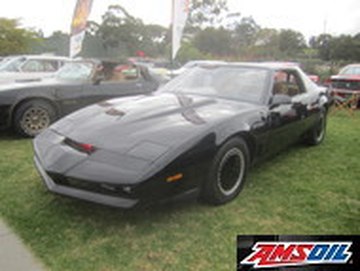
Maintaining Lubrication Standards for the 1982 Pontiac FIREBIRD 2.5L
Proper engine care for a vehicle of this era requires a focus on consistent monitoring and adherence to specific fluid requirements. For owners of a 1982 Pontiac FIREBIRD equipped with the 2.5L engine, maintaining the lubrication system is a fundamental aspect of long-term mechanical health. Because older engines can exhibit different behaviors regarding fluid retention and cleanliness compared to modern vehicles, a proactive approach to inspection and oil selection is highly beneficial.Monitoring Fluid Integrity and Potential Leaks
One of the most effective ways to monitor the health of the 2.5L engine is through regular visual inspections for fluid seepage. Over time, various gaskets and seals may experience changes in their ability to maintain a tight barrier. When performing routine maintenance, it is useful to look for signs of oil residue around the engine block or on the underside of the vehicle. If you notice dark, oily spots on your driveway or a film of oil accumulating on engine components, these can be indicators that a seal or gasket may require attention. It is important to remember that such observations do not necessarily point to a single specific component; rather, they warrant a closer inspection to identify the source of the seepage. Additionally, checking the level of the lubricant using the dipstick during regular intervals helps ensure that any slow leaks are identified before they lead to significant fluid loss.Observing Changes in Lubricant Condition
Beyond looking for external leaks, an owner should pay close attention to the physical characteristics of the engine oil itself. The appearance and smell of the lubricant can provide useful clues regarding the internal environment of the engine. If the oil appears excessively dark or contains visible particulate matter, it may indicate that the fluid has undergone significant thermal stress or that the filtration process is not keeping up with contaminants. Furthermore, if you notice any unusual odors coming from the crankcase area, this should be investigated. While many factors can influence the scent of engine oil, sudden changes in its appearance or smell are valid reasons to consider an earlier service interval or a more thorough inspection of the engine's operating condition.Prioritizing Maintenance Based on Vehicle History
For a 1982 Pontiac FIREBIRD, establishing a clear understanding of the vehicle's service history is a vital step in effective ownership. If you have recently acquired this vehicle and do not have access to comprehensive maintenance records, your first priority should be to establish a baseline. This involves performing a thorough inspection of all fluids and checking for any evidence of previous neglect or inconsistent service. When documentation is incomplete, it is wise to treat the current condition of the engine as the primary guide for future service. Rather than relying on assumptions about how the vehicle was treated in the past, focus on what the engine requires right now. This might include:- Reviewing the cleanliness and viscosity of all essential fluids.
- Inspecting aging components such as hoses or belts, if equipped, for signs of deterioration like cracking or glazing.
- Checking electrical connections and wiring for any signs of fraying or corrosion.
- Documenting every service performed moving forward to create a reliable history for the future.
Managing Aging Engine Components
As vehicles age, certain materials naturally undergo changes. For an owner of a 1982 model, this means being mindful of components that may become less resilient over several decades. While it is not necessary to replace parts simply because they are old, being observant about the condition of rubber and plastic elements is a sound strategy. If your vehicle is equipped with various belts or hoses, inspect them periodically for signs of hardening, cracking, or swelling. Similarly, if there are visible cooling-system components, checking for any evidence of weeping or mineral buildup can help prevent more significant issues down the road. This type of condition-based monitoring allows you to address potential issues while they are still manageable, rather than waiting for a component to fail during operation.The Role of Clean Lubrication in Engine Longevity
Maintaining clean and fresh oil is essential for managing the internal environment of any engine. The lubricant serves several roles, including reducing friction between moving parts and assisting in heat management by carrying warmth away from high-temperature areas. Over time, all lubricants undergo chemical changes due to exposure to heat and combustion byproducts. This can lead to the formation of deposits or sludge if the oil is not changed according to a consistent schedule. By ensuring that the engine receives fresh lubricant that meets the necessary specifications, you help maintain the engine's ability to operate efficiently and reduce the risk of internal buildup that can impede mechanical movement.Practical Guidance for Buying Engine Oil for your 1982 Pontiac FIREBIRD 2.5L
When it is time to replenish your engine's lubricant, the most important step is to ensure the product matches the specific requirements of your application. To avoid errors, do not rely on general automotive knowledge or assumptions based on the vehicle's age. Instead, match the engine oil to the application-specific viscosity information already displayed on this webpage. Before finalizing your purchase, consider the following steps:- Verify the Label: Always check the product packaging to ensure the SAE viscosity matches the information provided in the application details above.
- Check Certifications: Look for appropriate API (American Petroleum Institute) service classifications on the bottle to ensure the oil meets modern quality standards for lubrication and deposit control.
- Evaluate Formulations: Depending on your specific needs, you may choose between conventional, synthetic blend, or full synthetic oils. Some high-mileage oil formulations also contain additives intended for use in aging engines, including seal-conditioning additives that may be beneficial for older seals.
- Inspect the Container: Ensure the seal is intact and that the product has been stored correctly before adding it to your engine.